-
The Sand Wars
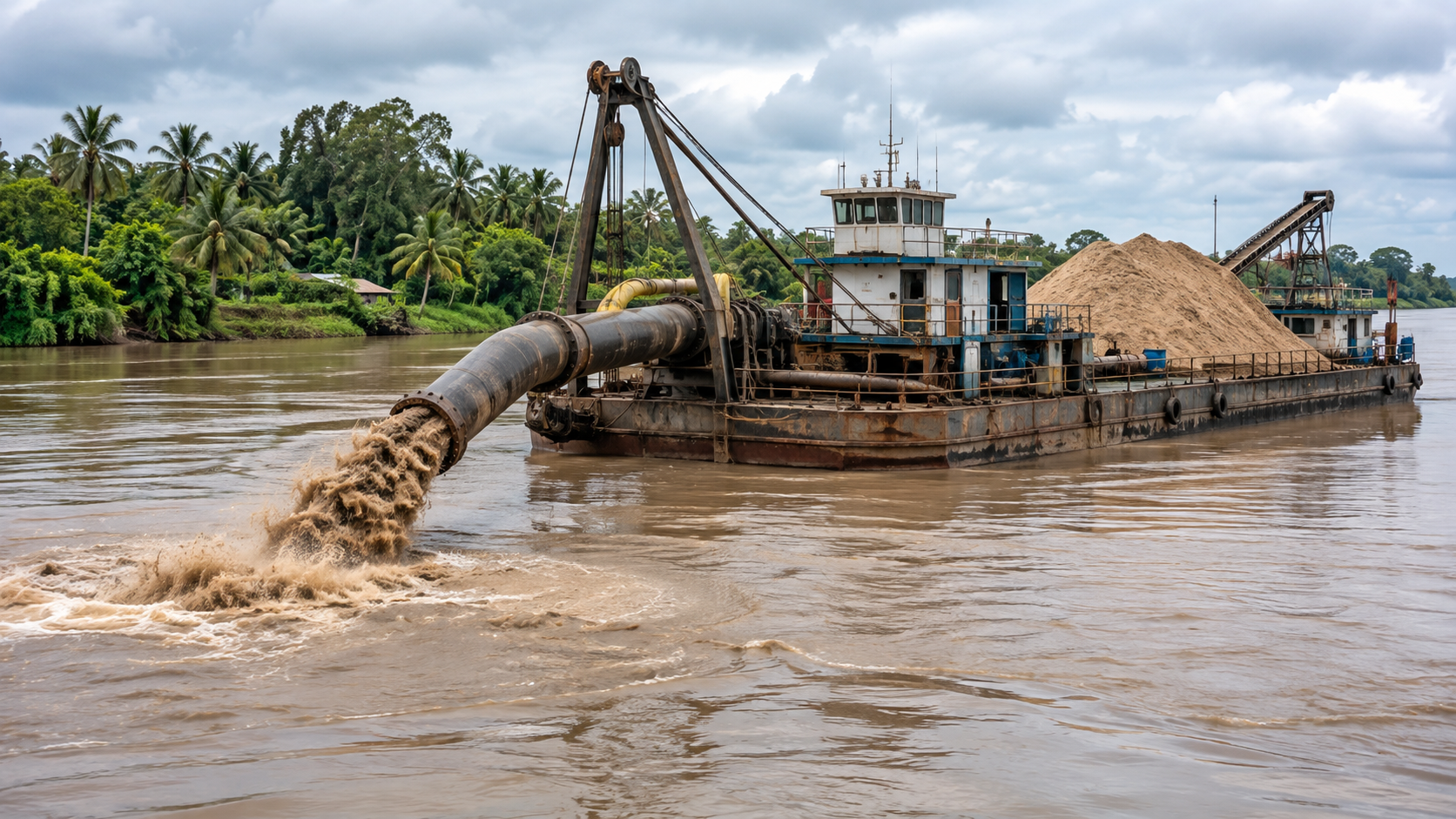
Welcome back to Earth Reform. Today we’re talking about something you’ve walked on, poured out of your shoes, and probably never thought of as scarce: sand. Here is a number to hold onto. Every year, humanity digs up roughly fifty billion tonnes of it. That is more than we extract of any other solid material…
-
When The City Backs Up: What Happens Beneath Your Street When It Rains
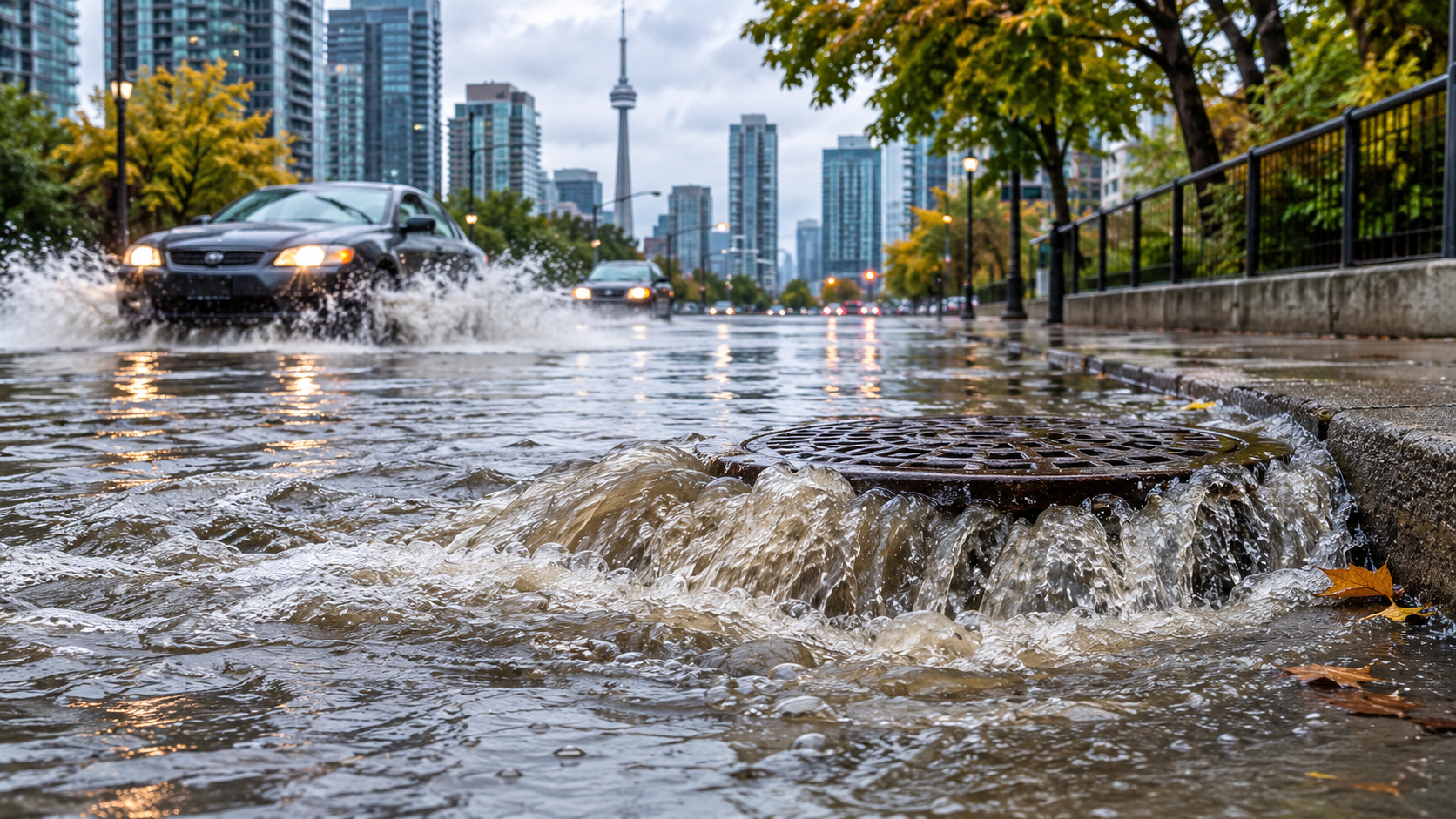
Picture this. It’s a warm summer night, and the sky opens up. It’s the kind of rain that turns a street into a river in twenty minutes. You’re upstairs, a little annoyed about the weather. Then you hear a gurgle from the basement. The floor drain is bubbling. And what’s coming up out of it…
-
The Moon’s Dirty Secret: Why Lunar Bases Are Harder Than They Look
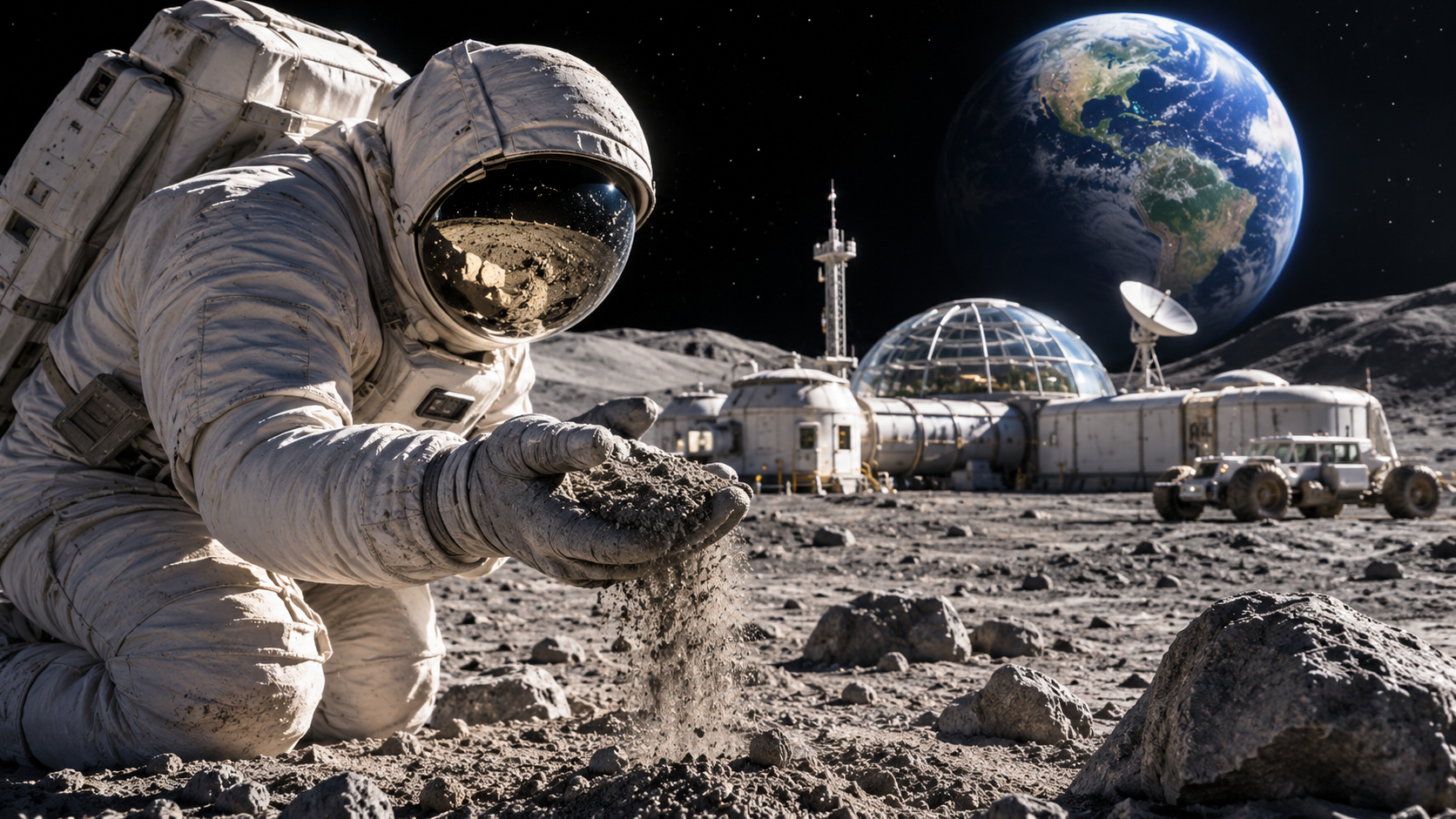
Apollo 17 astronaut Harrison Schmitt walked on the Moon in 1972, and decades later he gave a verdict that engineers still repeat: dust is the single largest technical challenge to a long stay there. [1] Not rockets. Not radiation. Dust. That’s the first dirty secret. The second one is quieter, and it’s about who gets…
-

Plan B Doesn’t Exist: Why Mars Can’t Save Us
Picture the worst day Earth could ever have. A dinosaur-sized asteroid. A full-scale nuclear war. Runaway climate change. Now picture Mars on its best day, when absolutely nothing goes wrong. Which planet would you rather wake up on? Astrophysicist Adam Becker says the wrecked Earth wins, and it isn’t close. Even a battered Earth keeps…
-
The Superbug Factory: How Drug Manufacturing Pollution Breeds Antibiotic Resistance
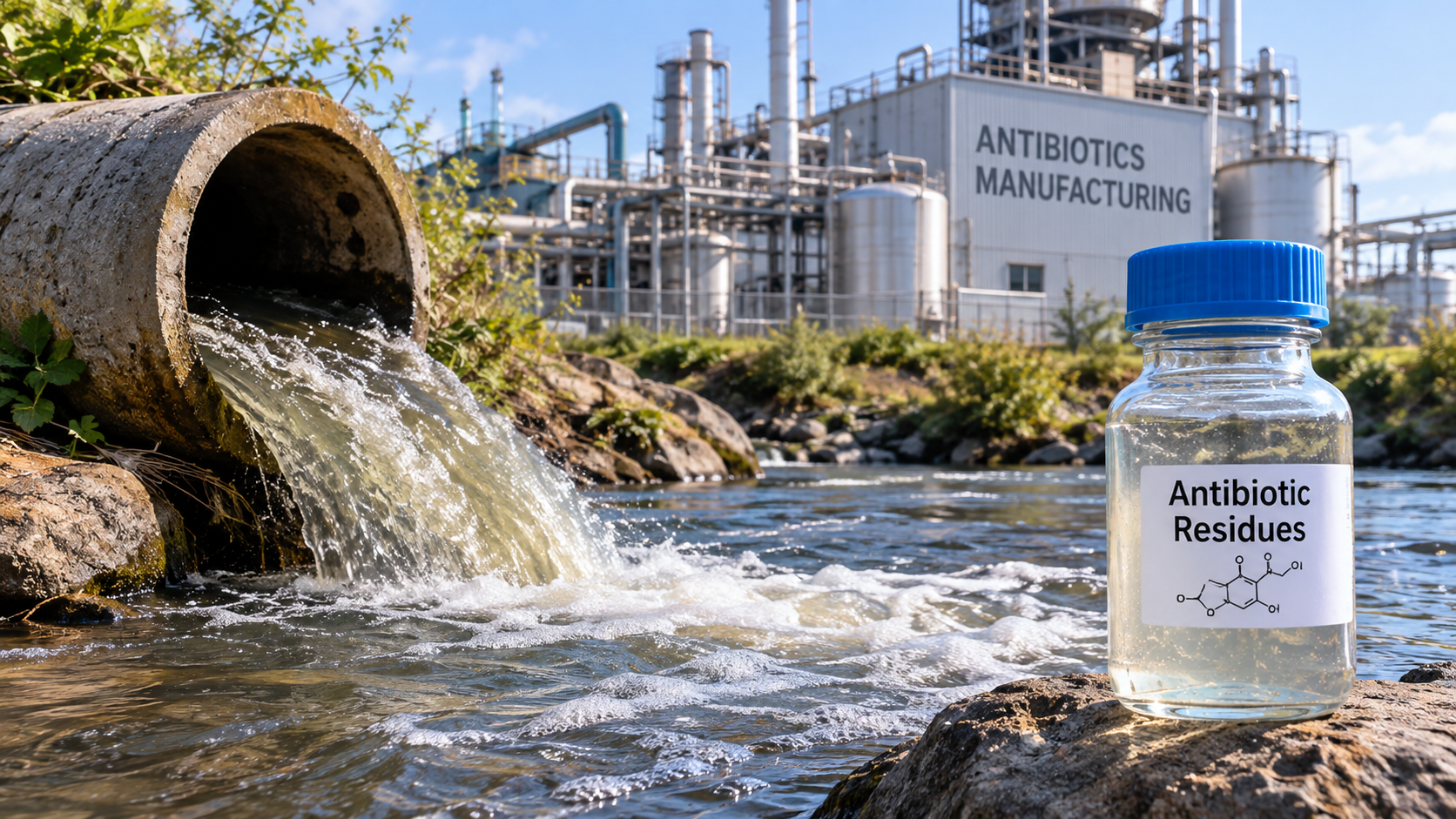
Welcome. Today’s article starts with a number that sounds like a typo. In 2007, Swedish scientists tested the wastewater leaving a treatment plant near Hyderabad, India. The plant served about ninety drug factories. The antibiotic ciprofloxacin in that water was more than a thousand times higher than the level that is toxic to some bacteria.…
-
Forever Chemicals on the Farm
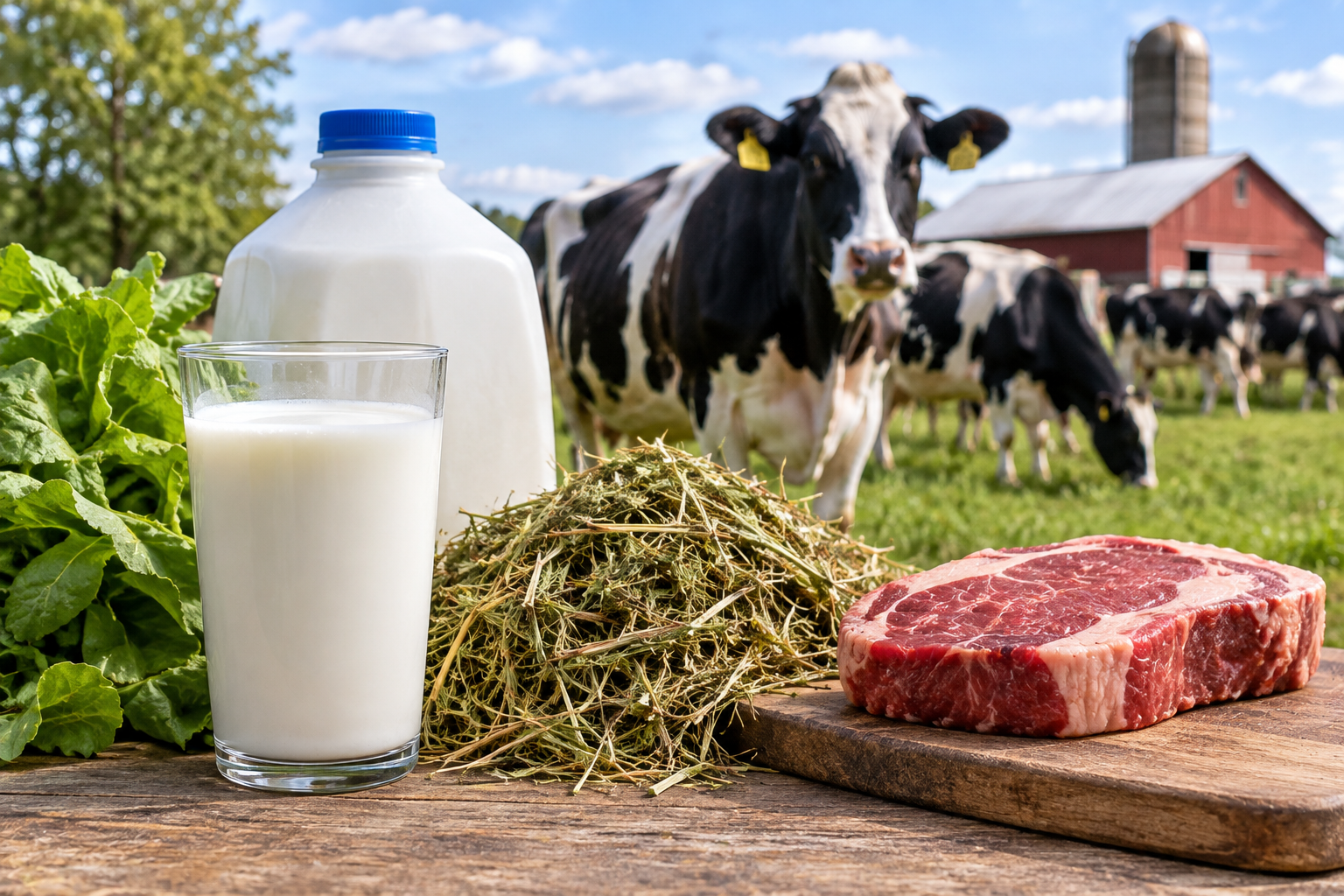
Welcome to Earth Reform. Today we look at forever chemicals, known as PFAS, and how they end up on farms. The route runs through something most of us never think about: the sludge left over from sewage treatment, which is often spread on fields as fertilizer. In Maine, that led to contaminated milk, beef and…
-
Canada’s Pipeline Dilemma: Energy, Environment and Indigenous Rights
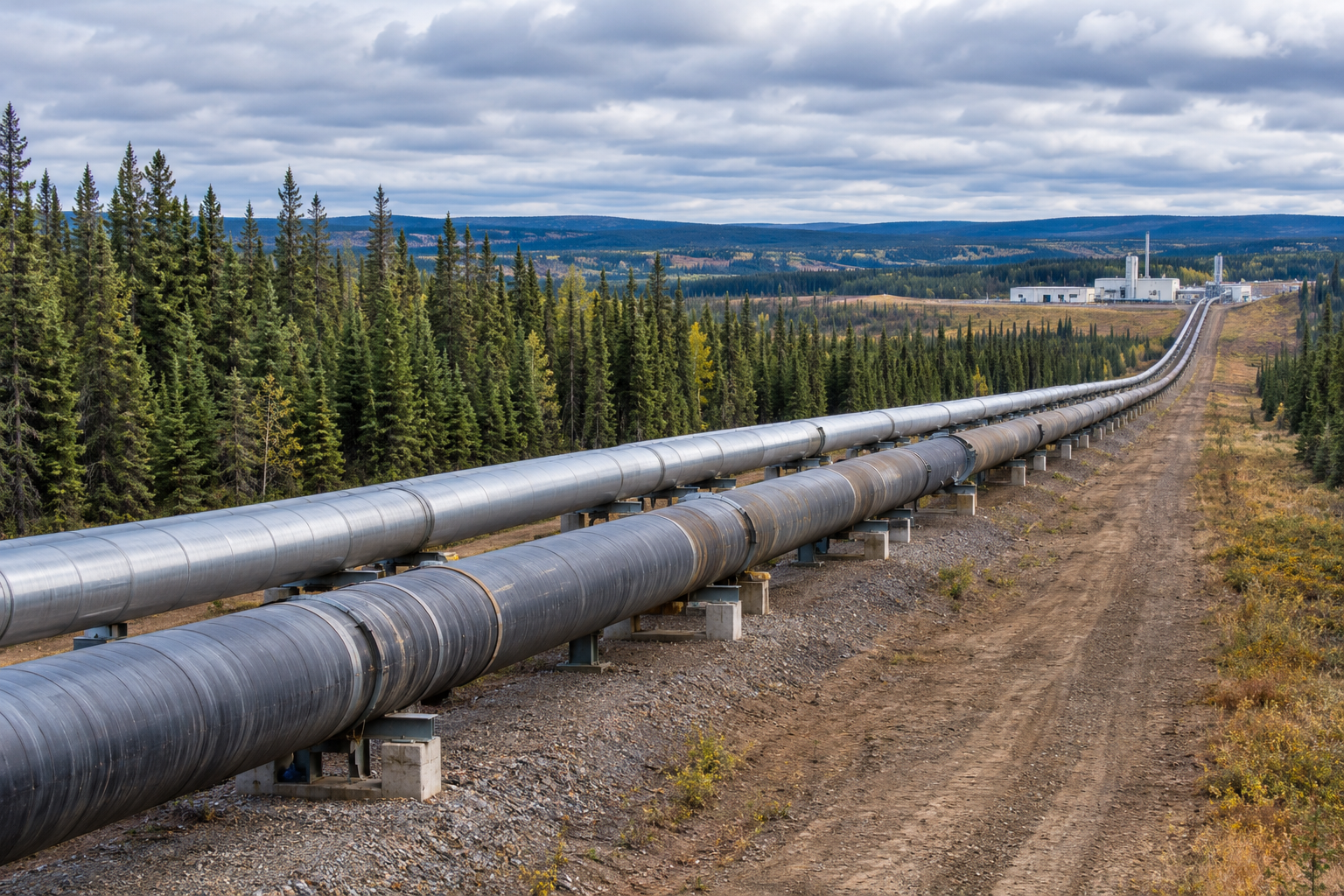
Why this debate matters now In October 2026, Ottawa listed a proposed oil pipeline called Pacific Link as a “project of national interest” under the Building Canada Act.[1] News reports described it as the first project to receive that status.[3] The label means the project follows a faster, streamlined approval process, with construction targeted for…
-
The Hidden Cost of Clean Energy
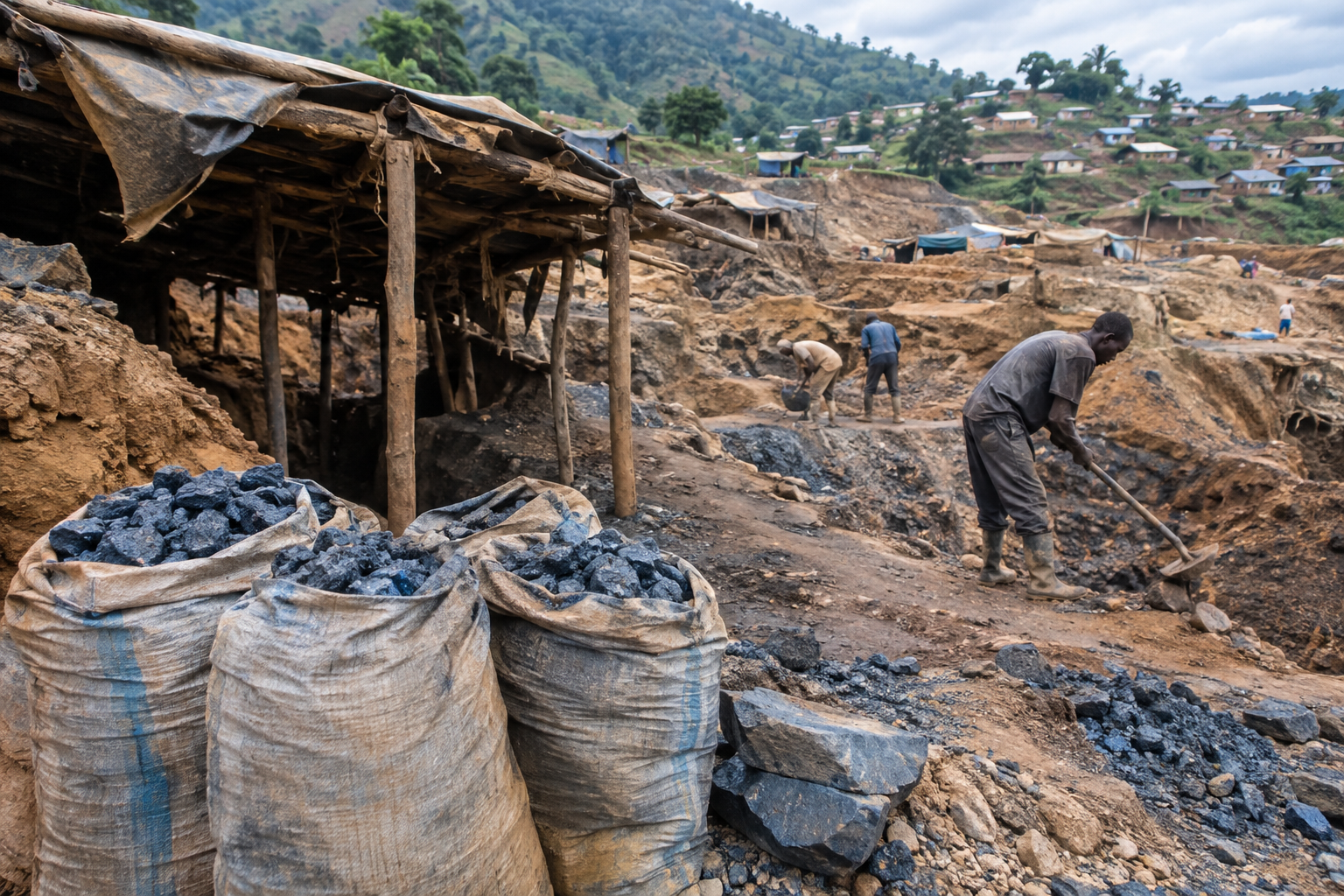
Welcome to Earth Reform. Today we look at the hidden cost of clean energy. The batteries in our phones, laptops and electric cars depend on cobalt and lithium, and getting them out of the ground has real consequences for people and places far away. We will visit cobalt mines in Congo, the salt flats of…
-
The Tire Chemical Killing Salmon
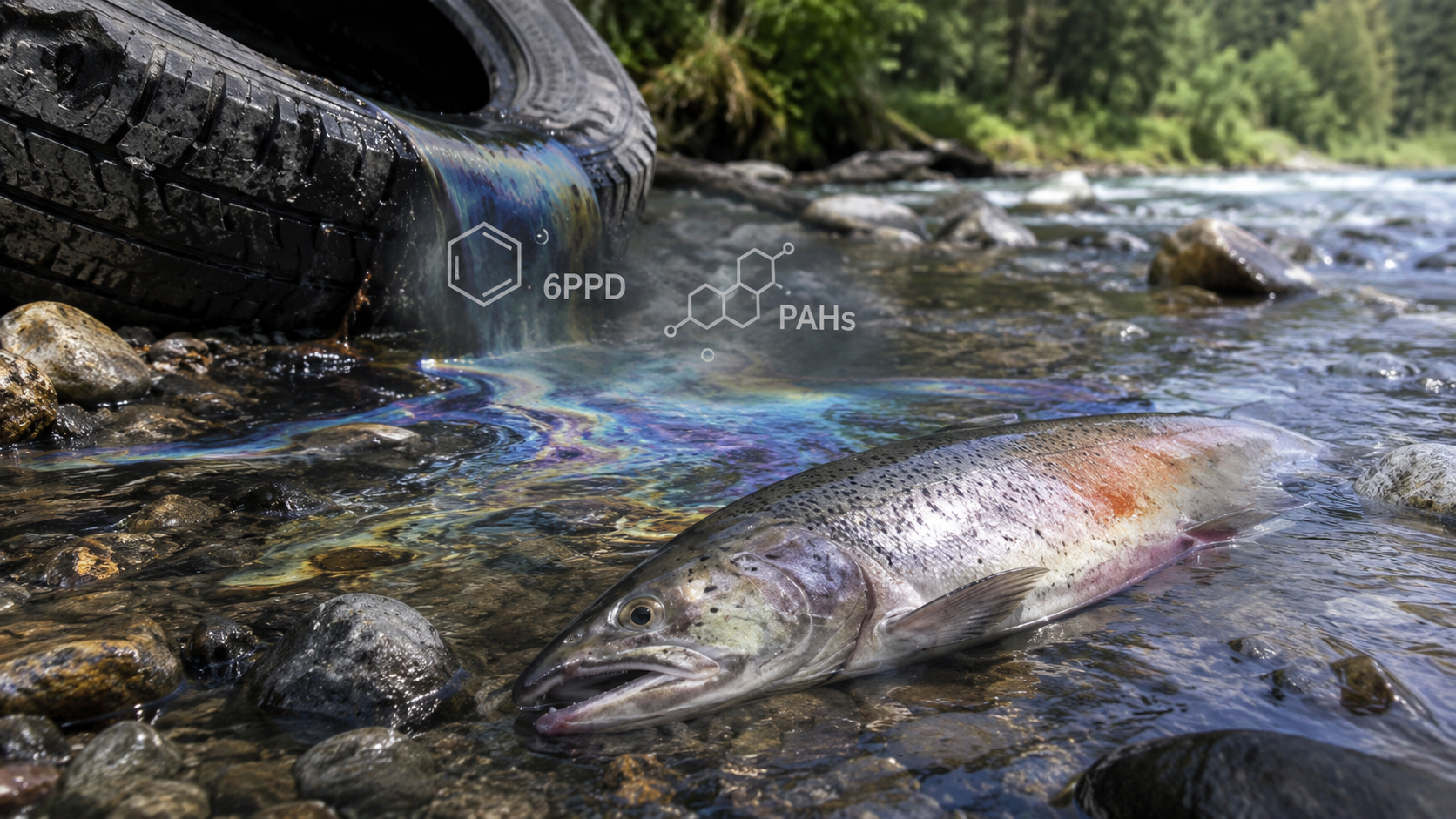
Welcome to Earth Reform. Today we look at a chemical found in almost every tire on the road. When it rains, it washes off the pavement and into streams, and it can kill salmon within hours. The same family of chemicals has also been found in human urine, blood and spinal fluid, and scientists are…
-
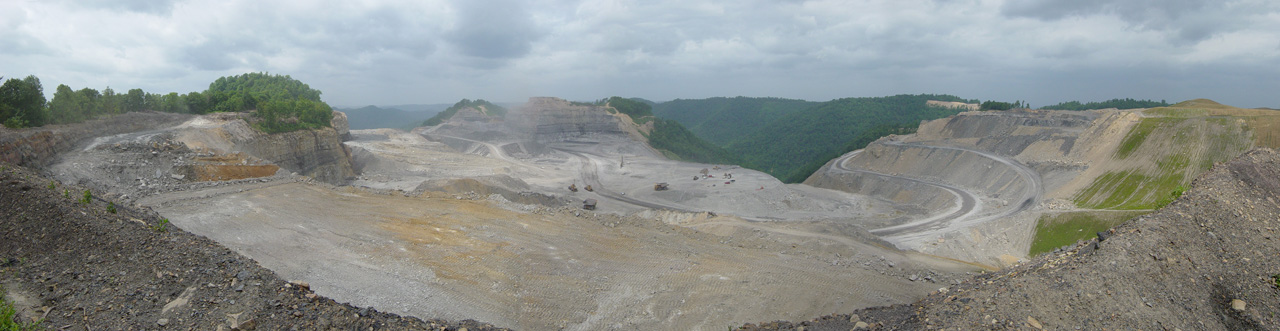
Where Mountains Once Stood: Coal Mining in the Appalachians
By KYLE CLENDINNING Published August 14, 2012 The Appalachian Region of the United States stands as one of the most scenic areas in North America. This 205,000 square mile region follows the Appalachian Mountains from southern New York to Northern Mississippi, including all of West Virginia and parts of Alabama, Georgia, Kentucky, Maryland, North Carolina,…