-
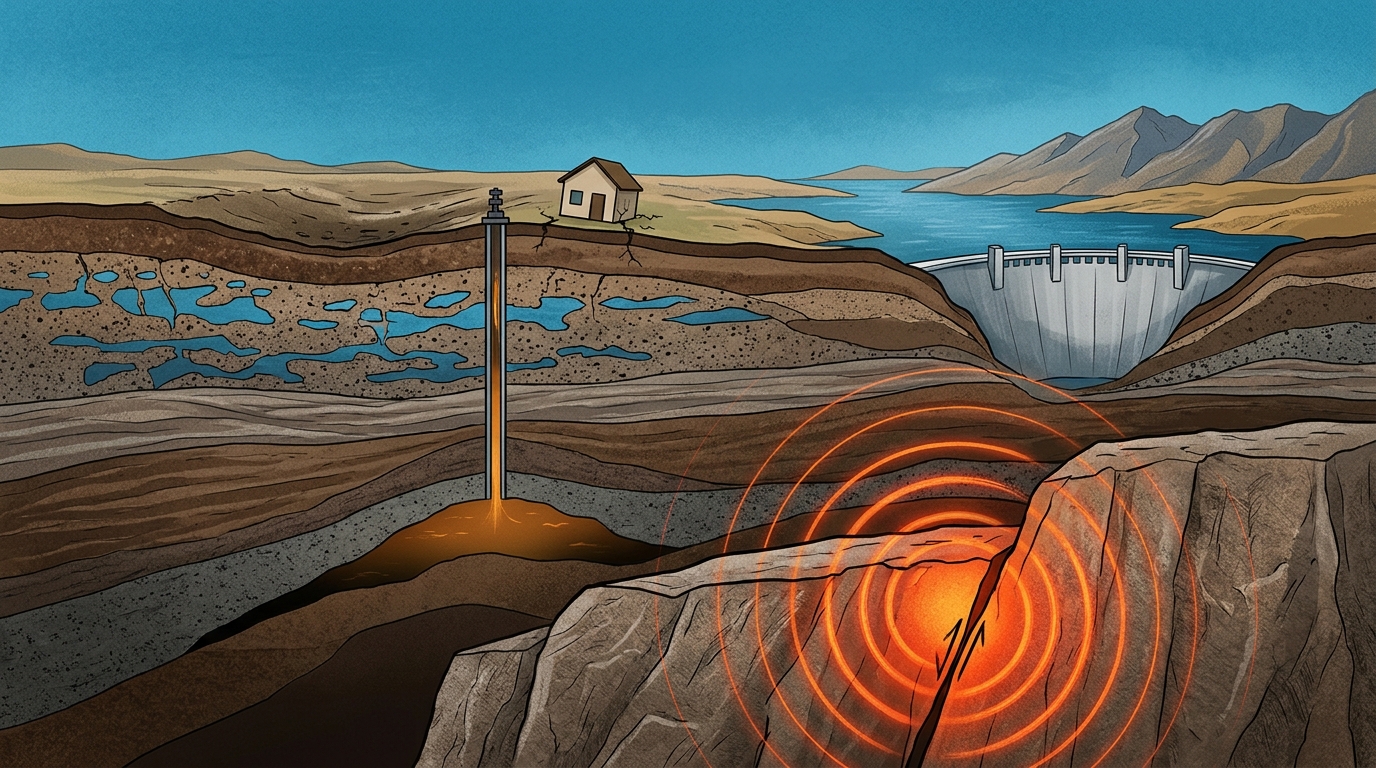
When We Move the Earth: How Groundwater Pumping and Fracking Trigger Quakes and Sinking Land
Picture a team of scientists staring at a puzzle. The spot where Earth’s spin axis meets its surface, called the rotational pole, kept drifting in a way their models couldn’t explain. They had already counted the melting ice, and the numbers were still off by about seventy-eight centimetres. Then they added one more ingredient, and…
-
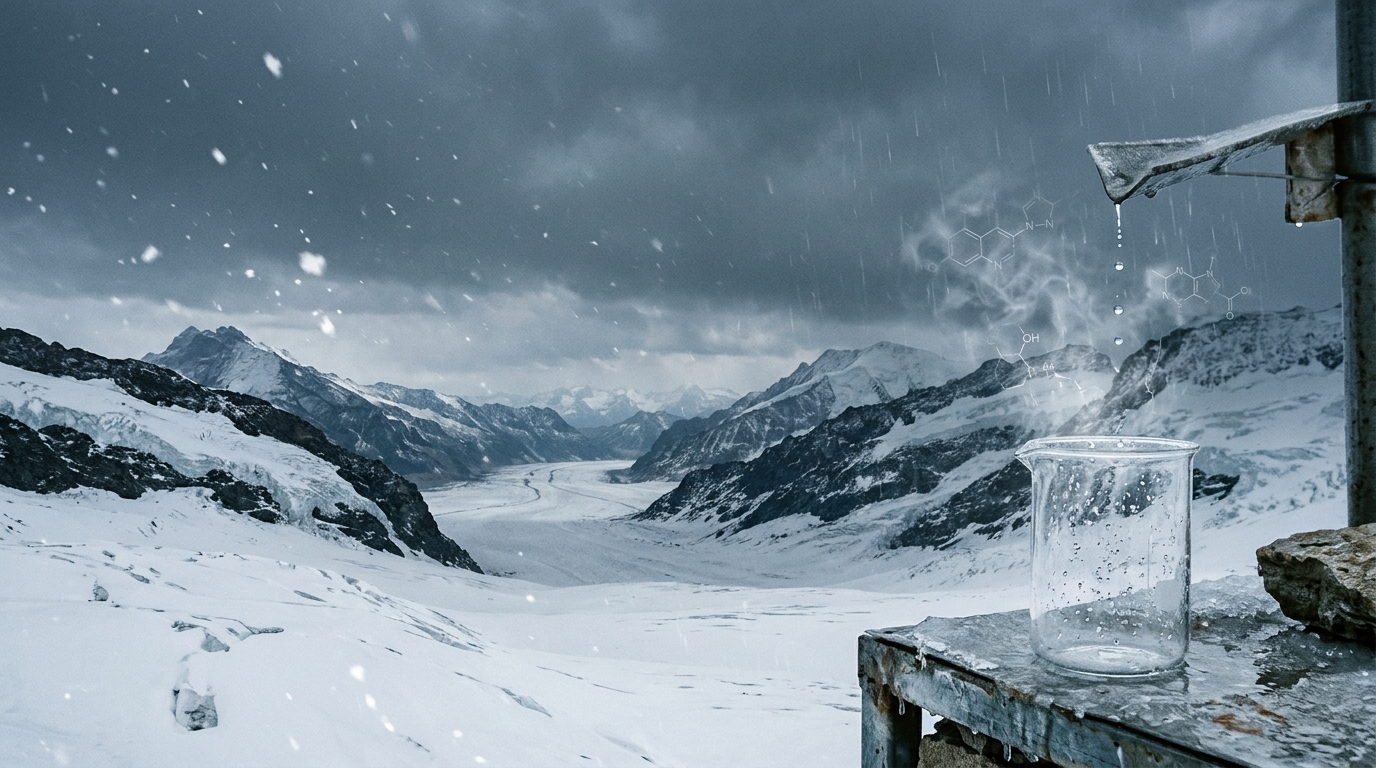
Flying Blind: The 350,000 Chemicals Nobody Tested
Today we begin in some of the quietest places on the planet: the ice of Antarctica and the high, thin air of the Tibetan Plateau. Few people live there. Almost no industry runs there. And yet, when scientists went looking for man-made chemicals in the rain and snow, they found them. Here’s the part that…
-
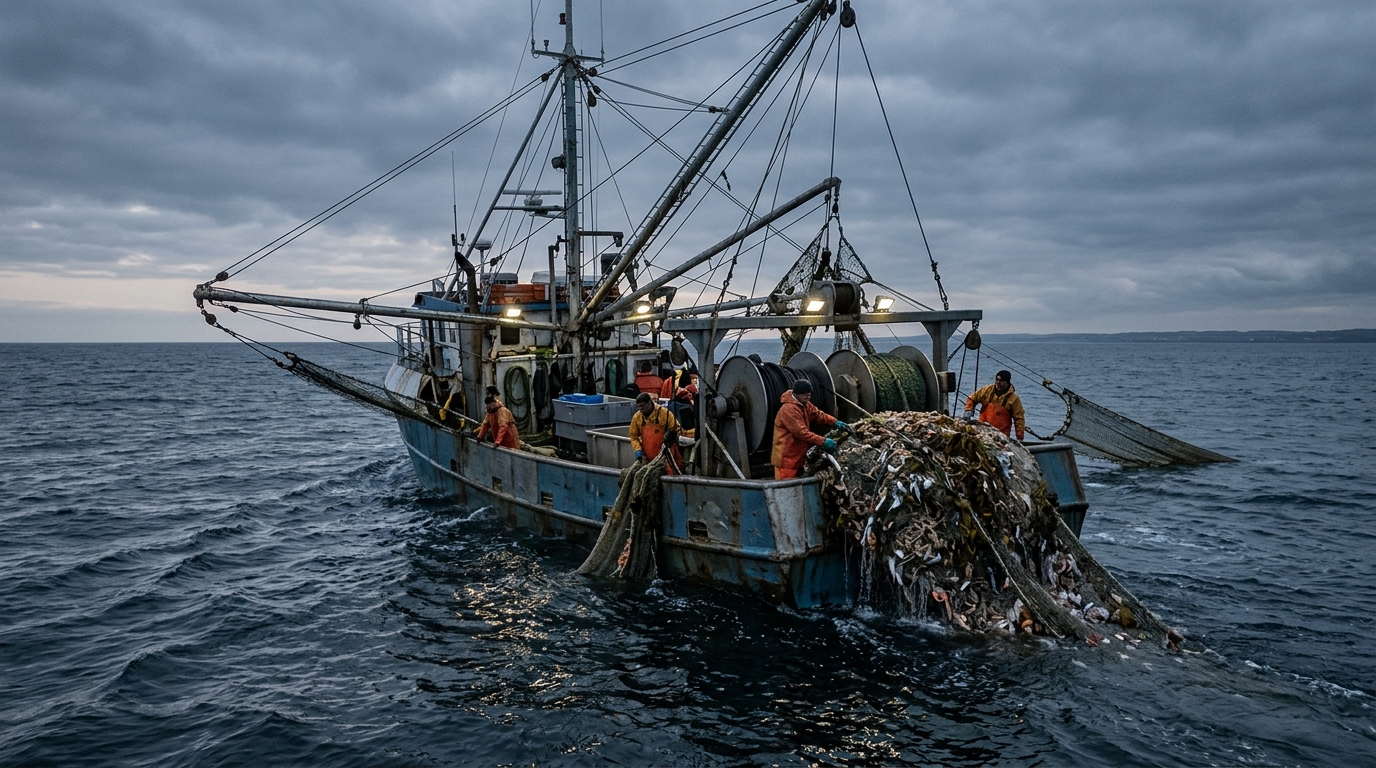
The Cost of Cheap Shrimp
Picture the freezer aisle of an ordinary grocery store, cold air fogging against your face. In your hand is a bag of peeled shrimp, pink and tidy, priced low enough that you don’t think twice. Now follow that bag backwards: past the warehouse, past the container ship, to a shed behind a residential wall where…
-
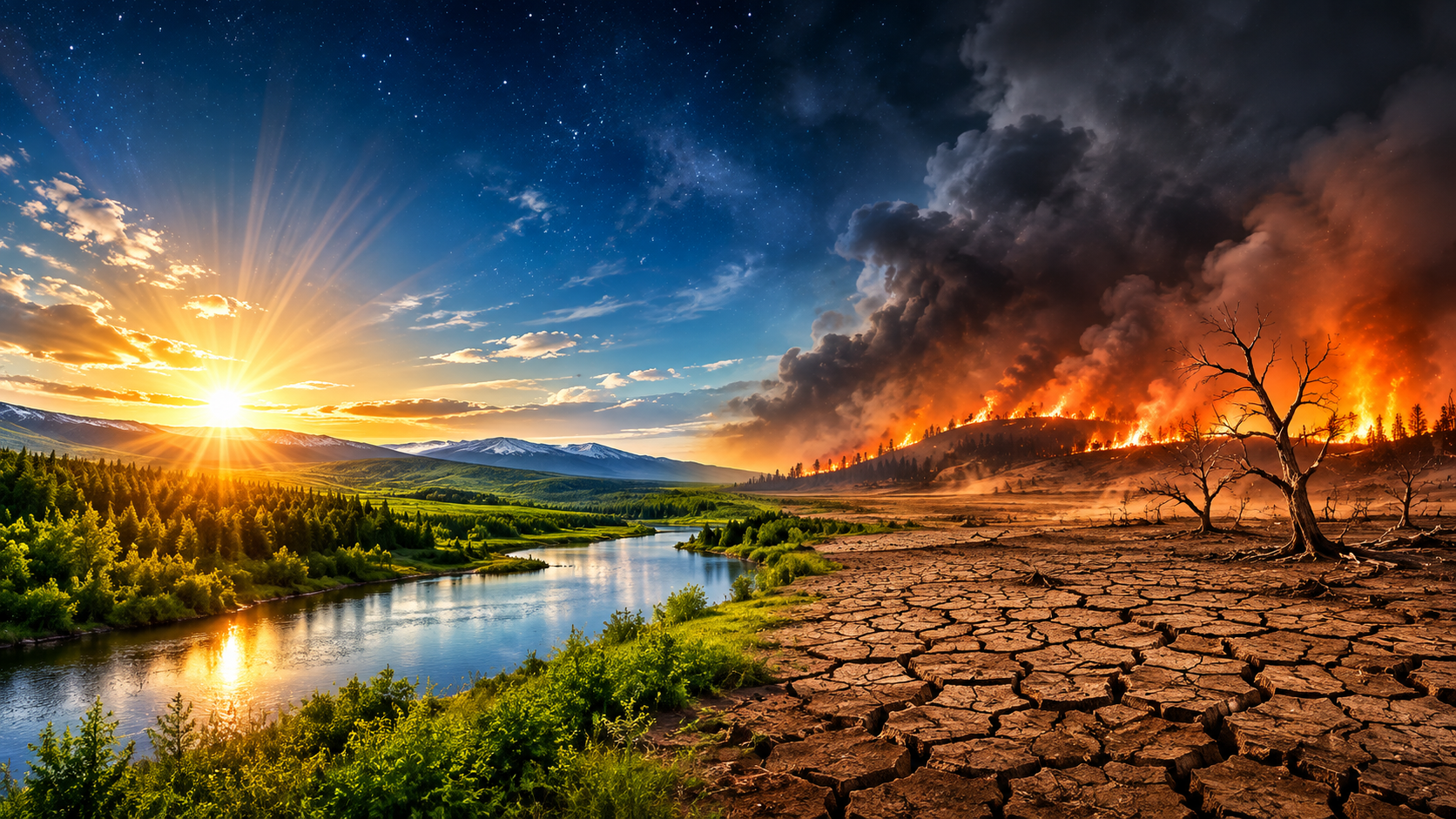
We’ve Already Crossed the Line
Scientists have identified nine limits that keep Earth stable enough for us to live on it. Seven are now broken. Here is what that means for your food, your water, your health and your wallet. Today we’re starting with the big picture. Imagine your doctor calls with your test results. Not one number out of…
-
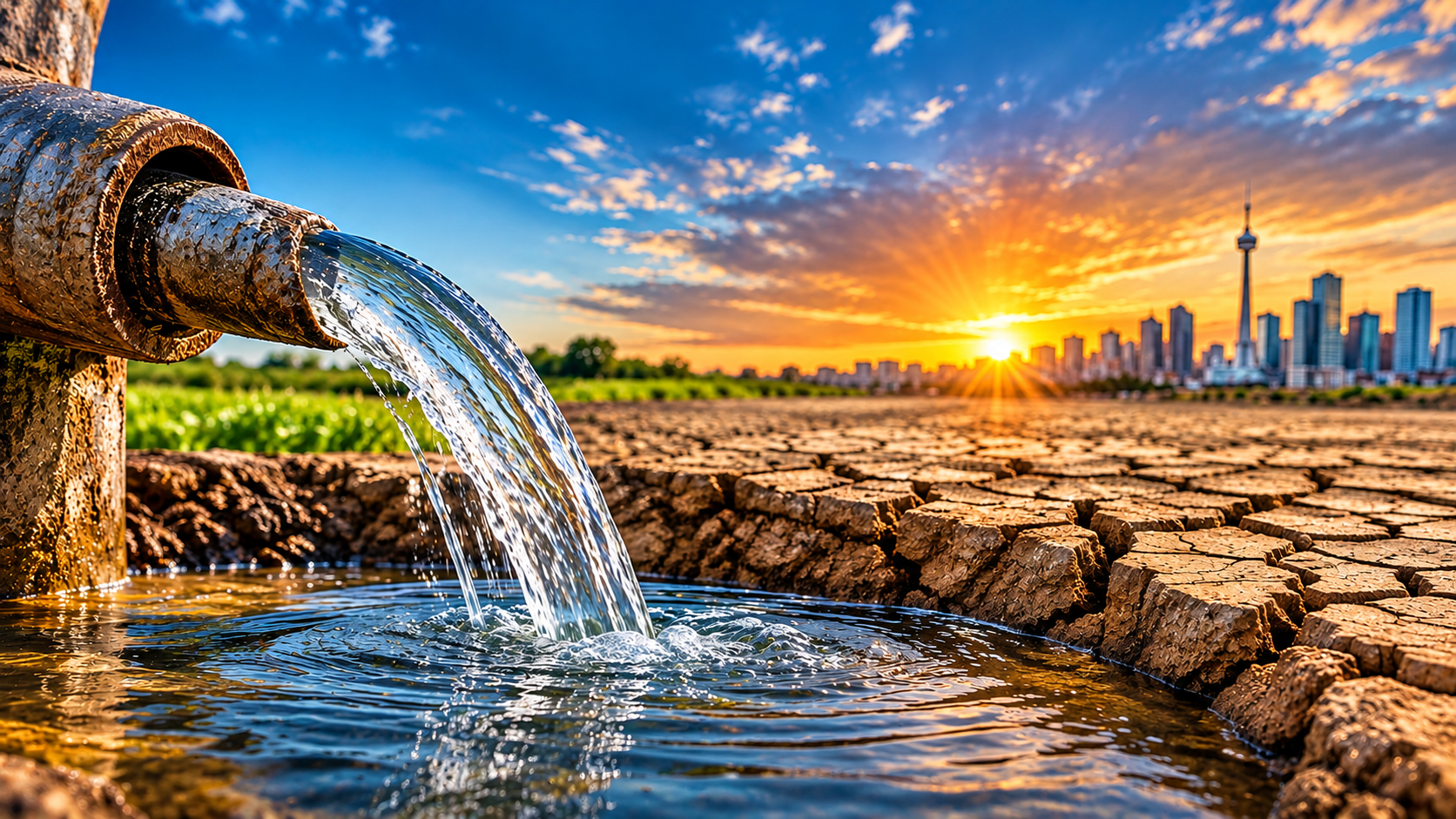
The Water Under Our Feet
Today we’re talking about something you’ve never seen, and almost certainly rely on every day: the water under our feet. Here’s the short version. All over the world, we are pumping water out of the ground much faster than nature puts it back. In some places, that water took thousands of years to collect. And…
-
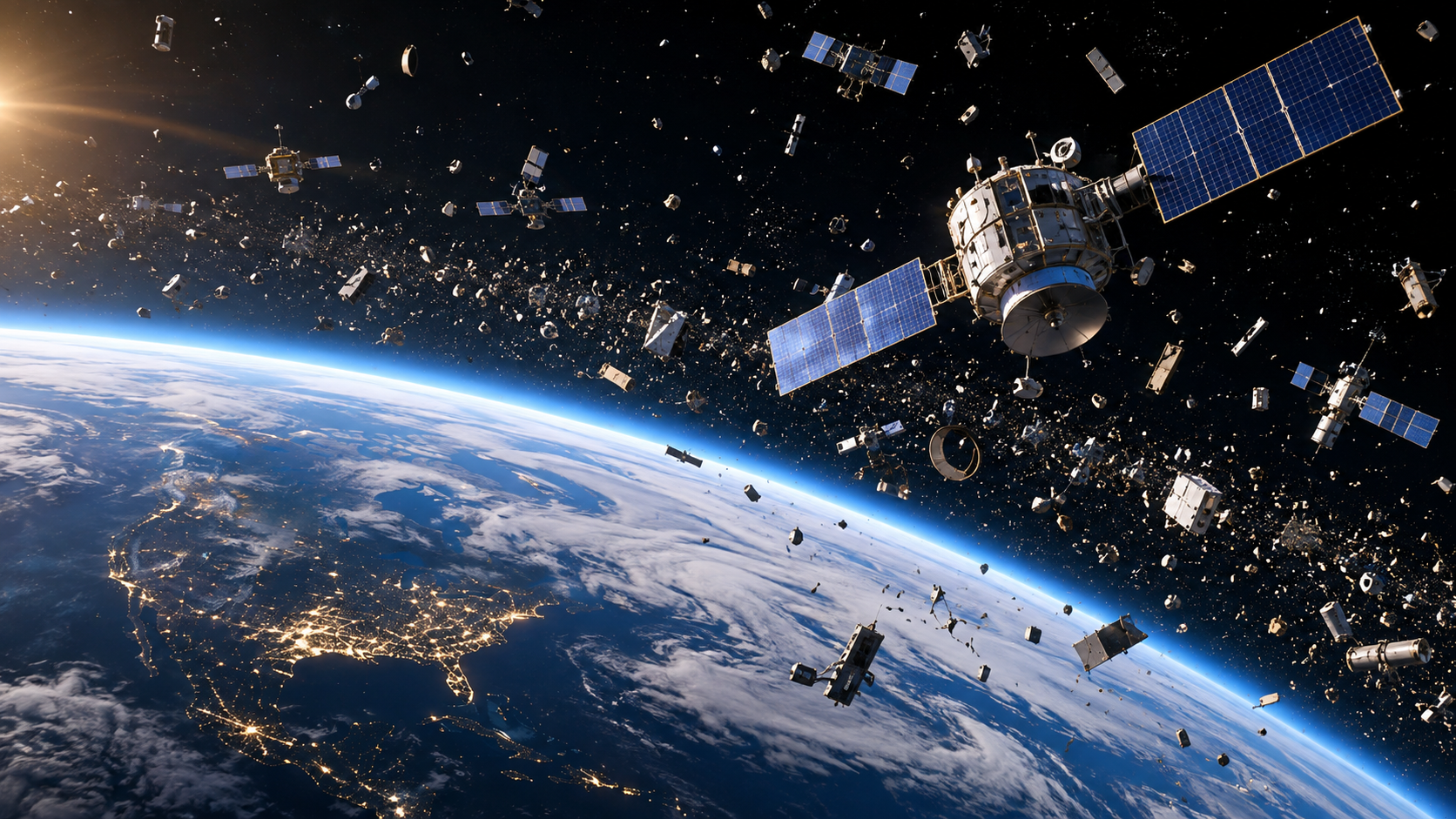
Up There Isn’t Empty
When we picture space, we picture silence: a vast, clean, empty dark. But the few hundred kilometres above our heads have quietly become one of the busiest and messiest neighbourhoods humans have ever built. There are tens of thousands of satellites up there, a growing blizzard of broken-off fragments, and a new kind of pollution…
-
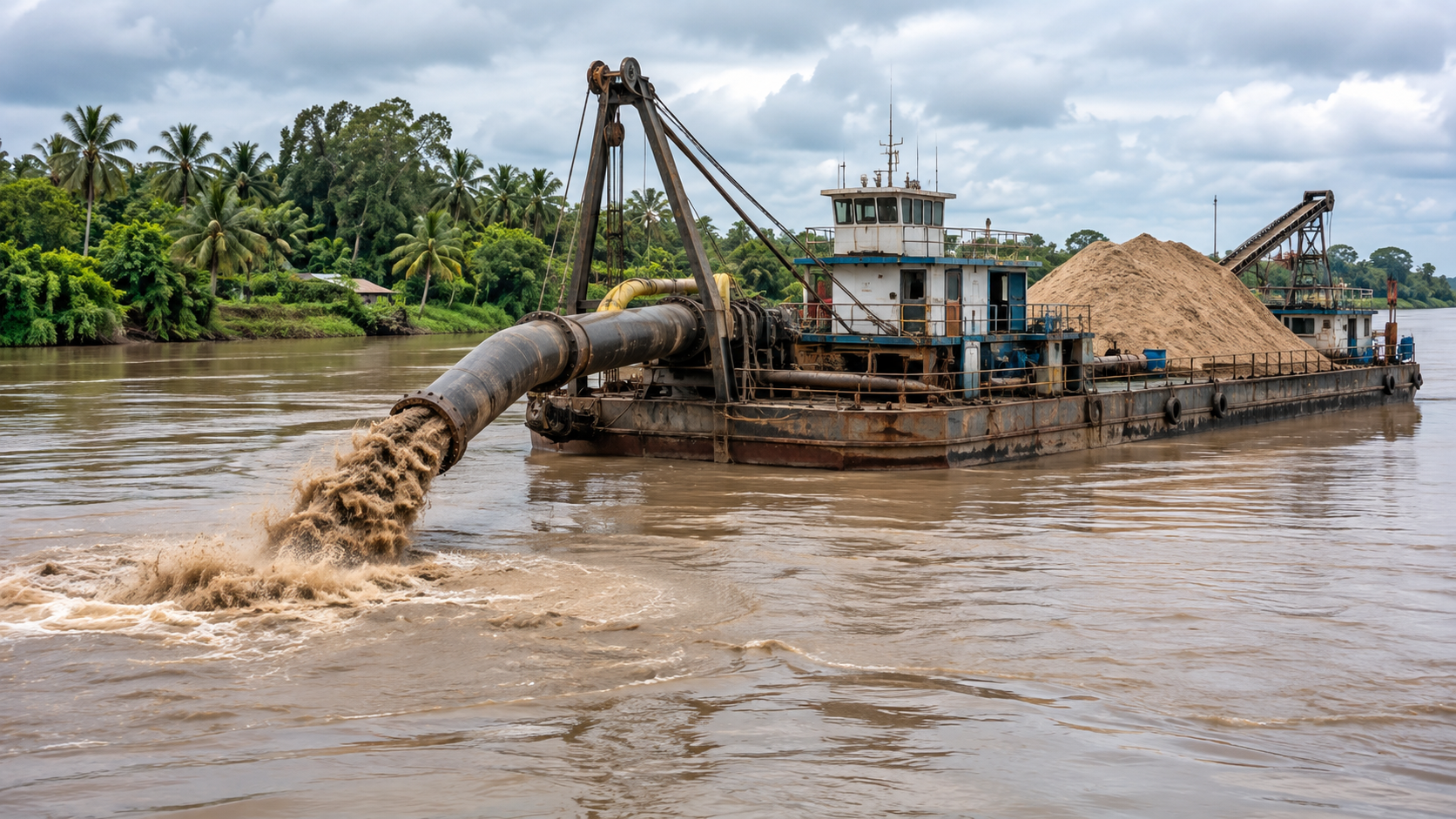
The Sand Wars
Welcome back to Earth Reform. Today we’re talking about something you’ve walked on, poured out of your shoes, and probably never thought of as scarce: sand. Here is a number to hold onto. Every year, humanity digs up roughly fifty billion tonnes of it. That is more than we extract of any other solid material…
-
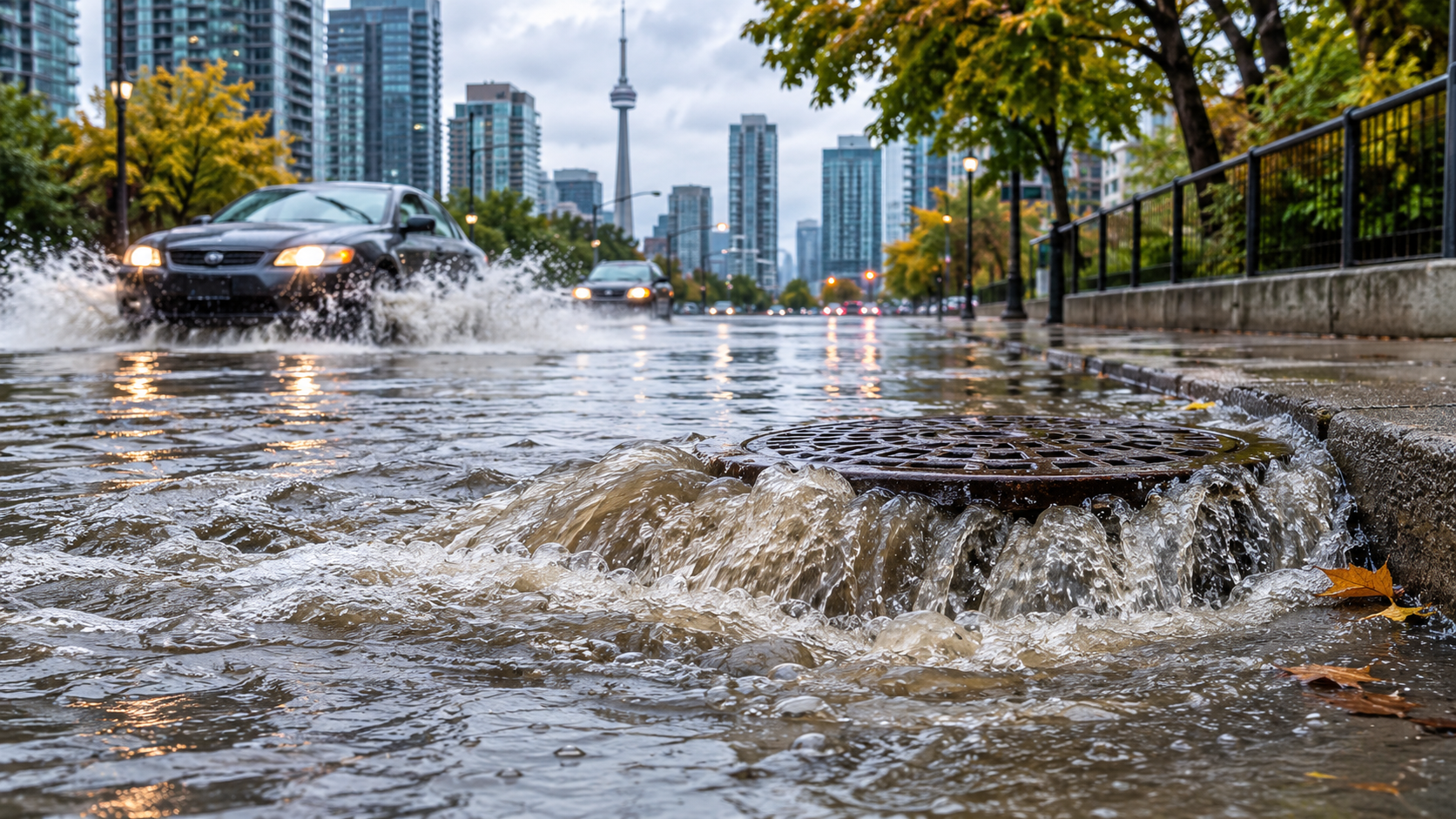
When The City Backs Up: What Happens Beneath Your Street When It Rains
Picture this. It’s a warm summer night, and the sky opens up. It’s the kind of rain that turns a street into a river in twenty minutes. You’re upstairs, a little annoyed about the weather. Then you hear a gurgle from the basement. The floor drain is bubbling. And what’s coming up out of it…
-
The Moon’s Dirty Secret: Why Lunar Bases Are Harder Than They Look
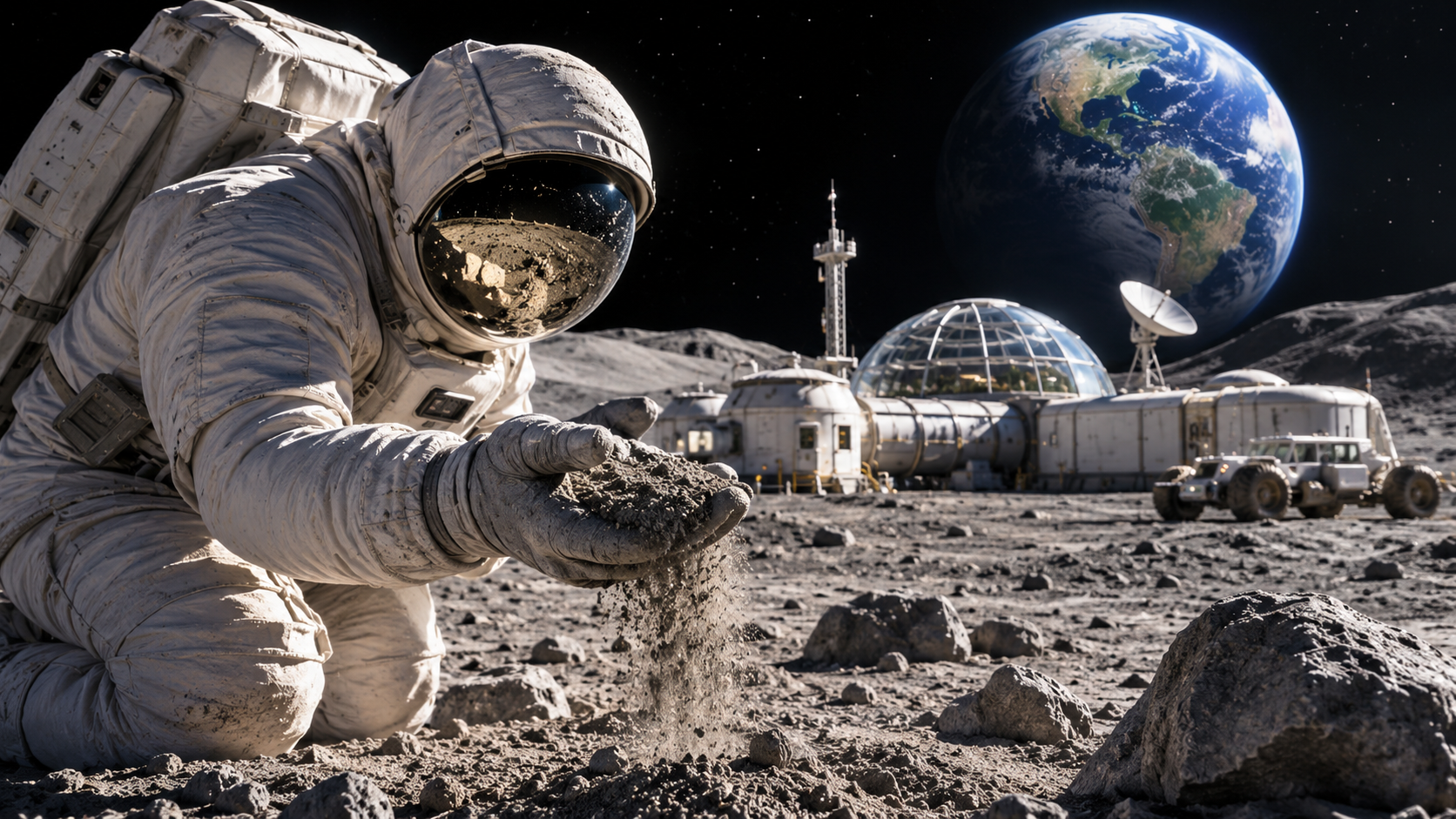
Apollo 17 astronaut Harrison Schmitt walked on the Moon in 1972, and decades later he gave a verdict that engineers still repeat: dust is the single largest technical challenge to a long stay there. [1] Not rockets. Not radiation. Dust. That’s the first dirty secret. The second one is quieter, and it’s about who gets…
-
Plan B Doesn’t Exist: Why Mars Can’t Save Us
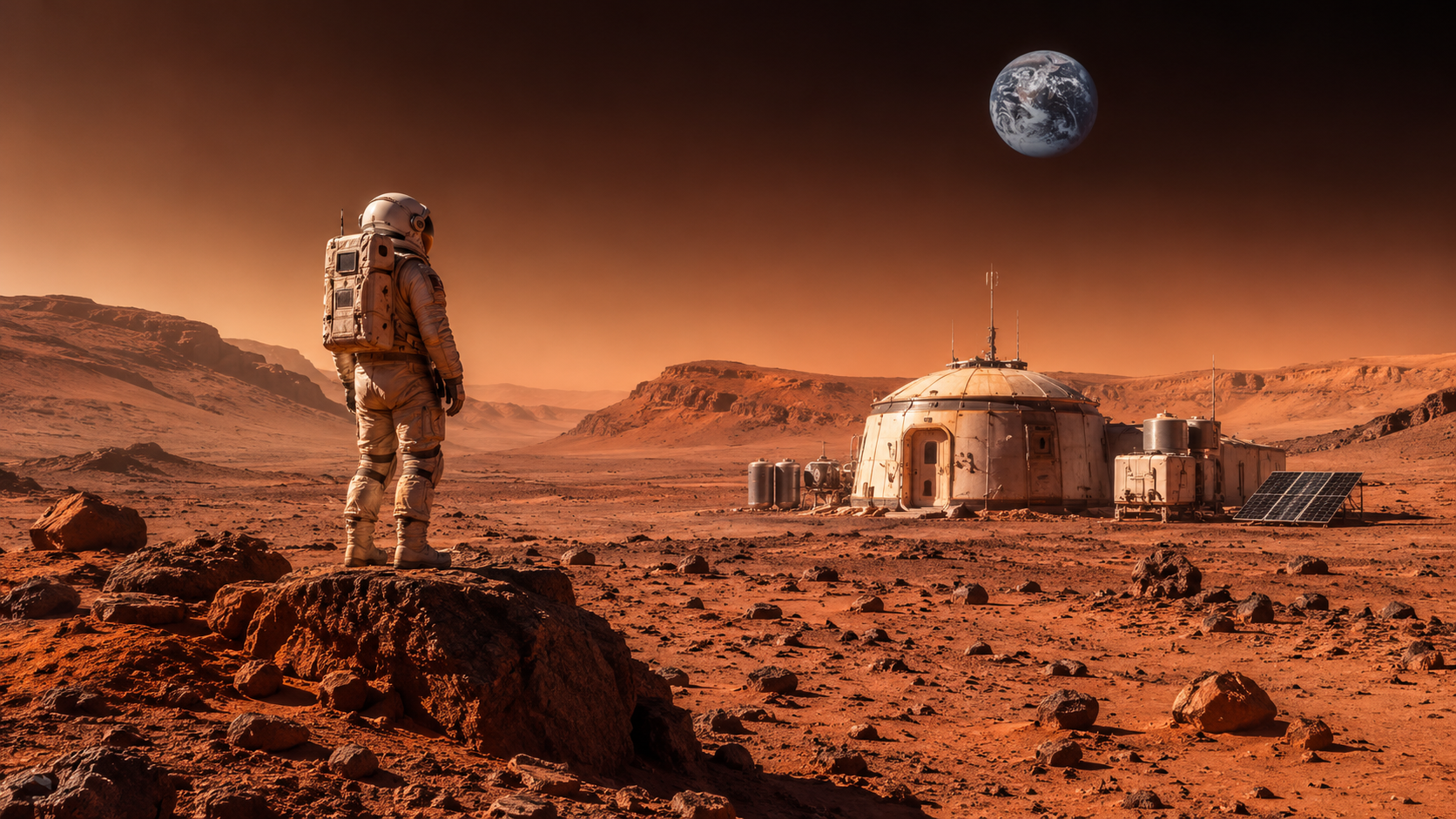
Picture the worst day Earth could ever have. A dinosaur-sized asteroid. A full-scale nuclear war. Runaway climate change. Now picture Mars on its best day, when absolutely nothing goes wrong. Which planet would you rather wake up on? Astrophysicist Adam Becker says the wrecked Earth wins, and it isn’t close. Even a battered Earth keeps…
-
The Superbug Factory: How Drug Manufacturing Pollution Breeds Antibiotic Resistance
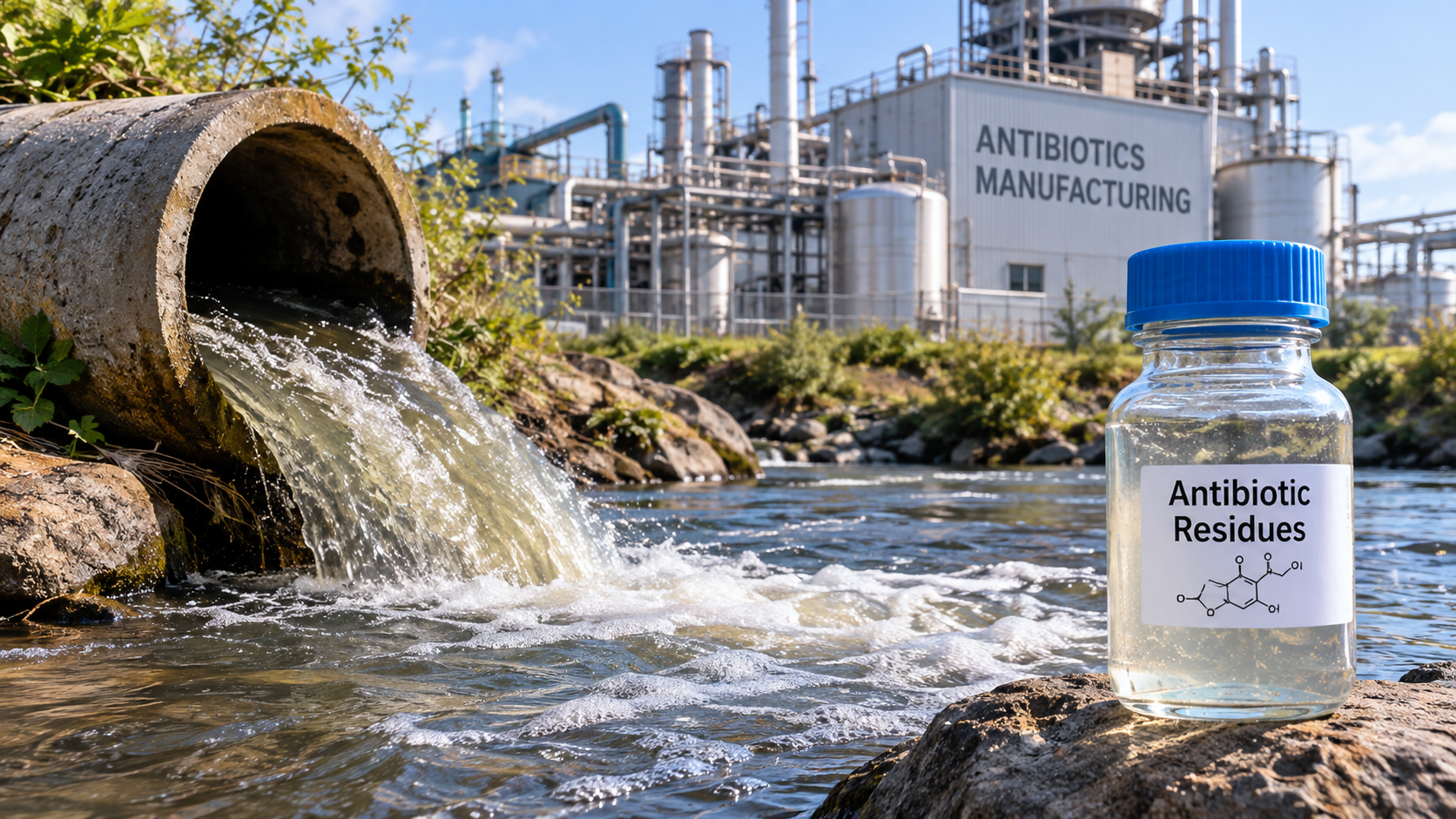
Welcome. Today’s article starts with a number that sounds like a typo. In 2007, Swedish scientists tested the wastewater leaving a treatment plant near Hyderabad, India. The plant served about ninety drug factories. The antibiotic ciprofloxacin in that water was more than a thousand times higher than the level that is toxic to some bacteria.…
-
Forever Chemicals on the Farm
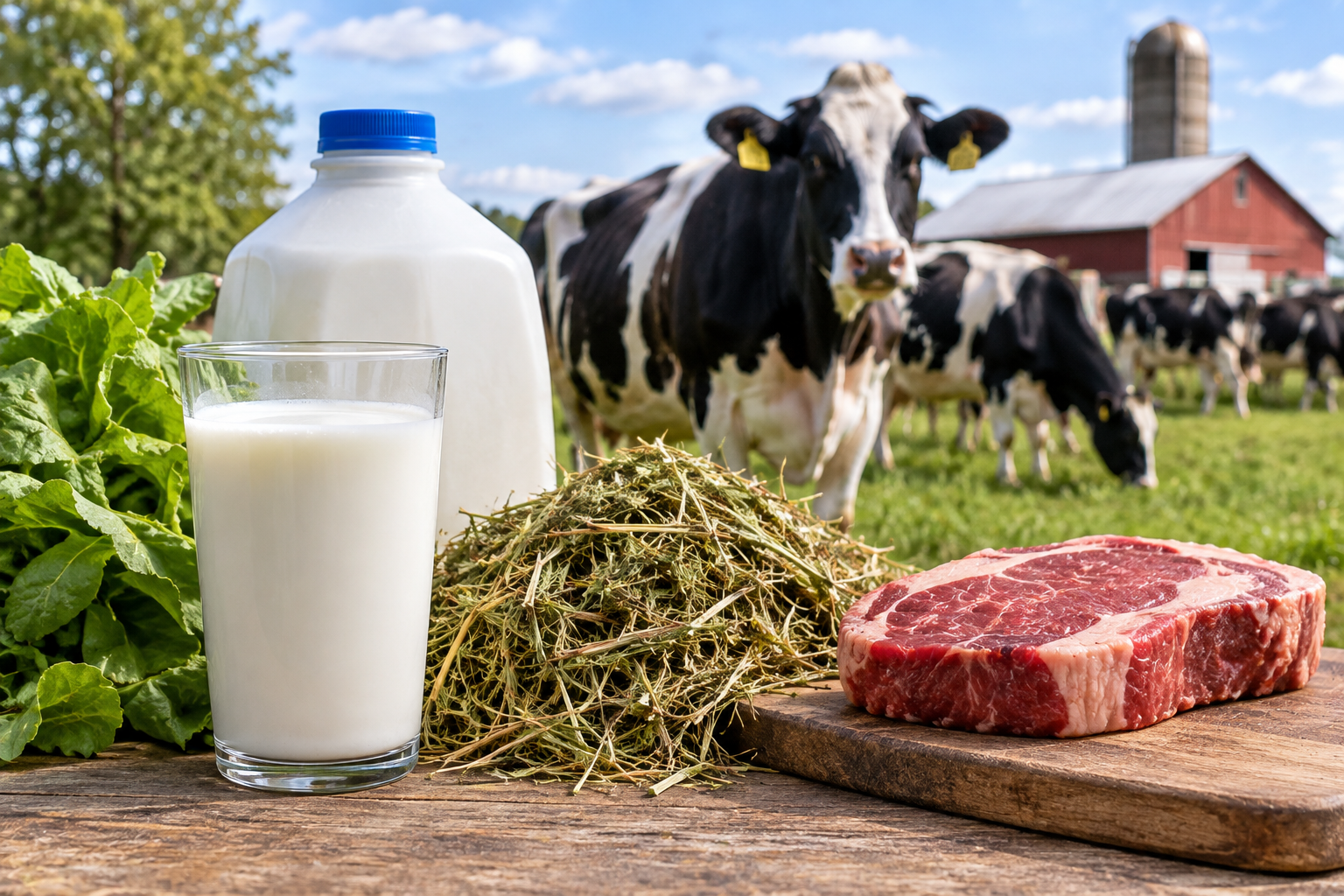
Welcome to Earth Reform. Today we look at forever chemicals, known as PFAS, and how they end up on farms. The route runs through something most of us never think about: the sludge left over from sewage treatment, which is often spread on fields as fertilizer. In Maine, that led to contaminated milk, beef and…
-
Canada’s Pipeline Dilemma: Energy, Environment and Indigenous Rights
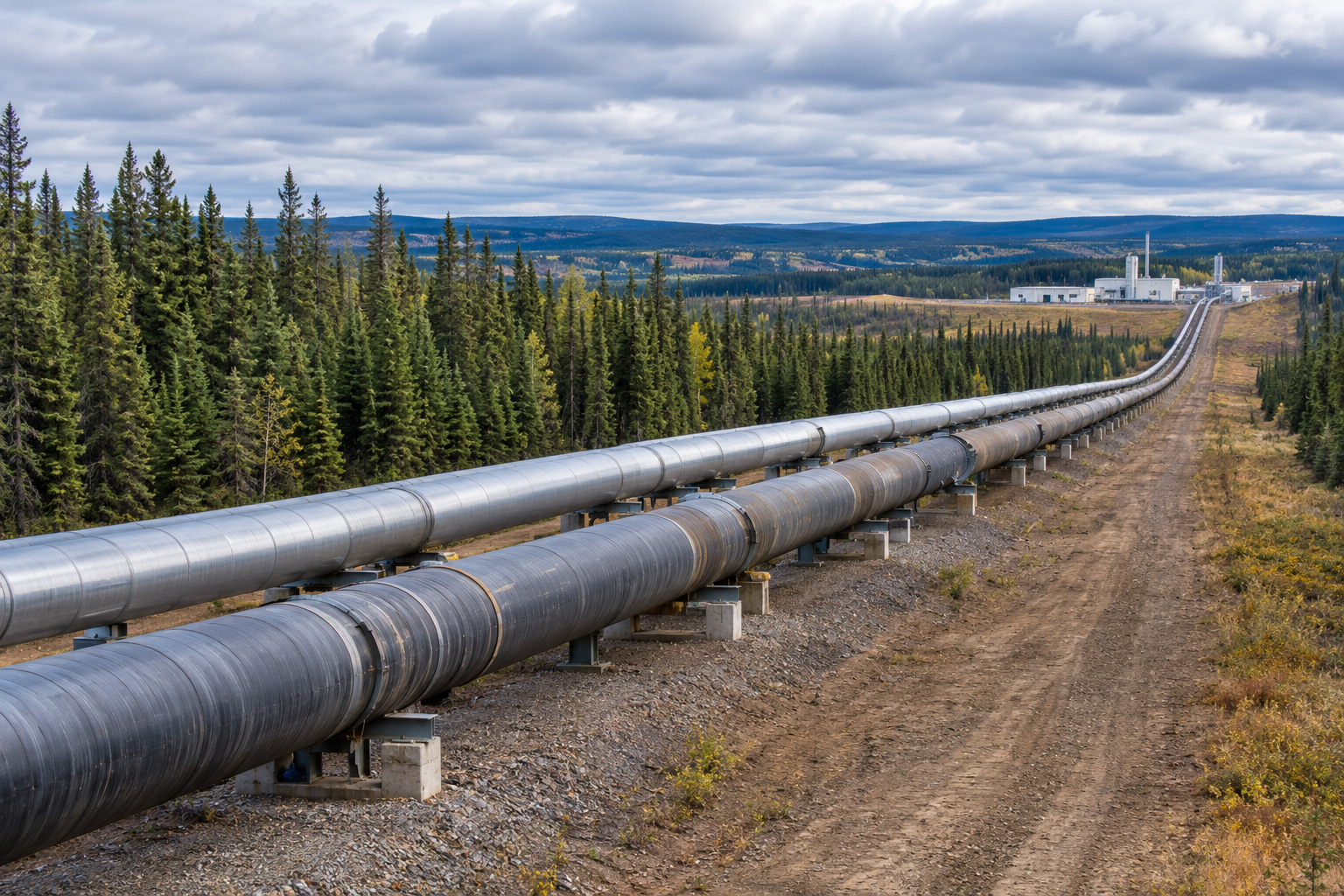
Why this debate matters now In October 2026, Ottawa listed a proposed oil pipeline called Pacific Link as a “project of national interest” under the Building Canada Act.[1] News reports described it as the first project to receive that status.[3] The label means the project follows a faster, streamlined approval process, with construction targeted for…
-
The Hidden Cost of Clean Energy
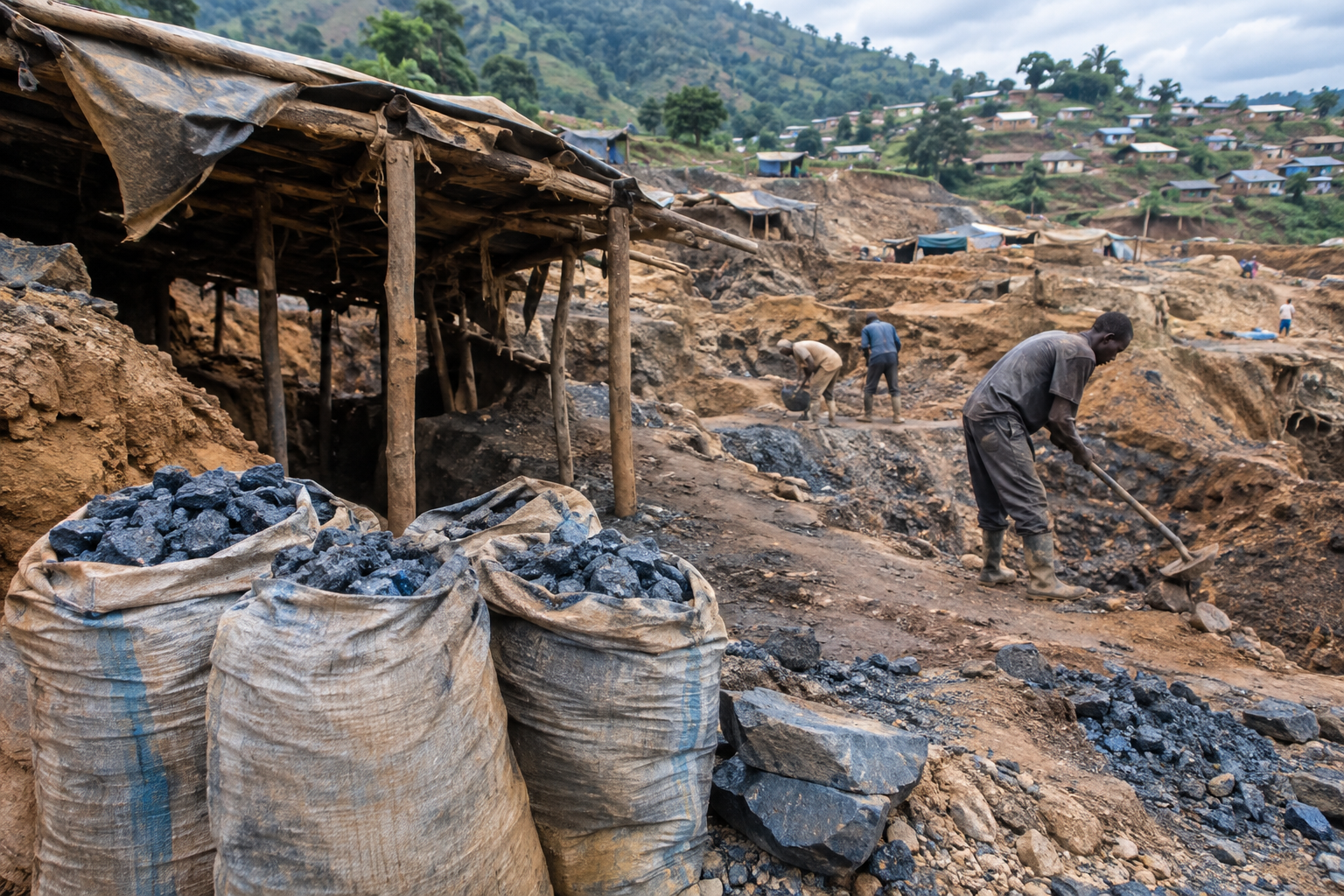
Welcome to Earth Reform. Today we look at the hidden cost of clean energy. The batteries in our phones, laptops and electric cars depend on cobalt and lithium, and getting them out of the ground has real consequences for people and places far away. We will visit cobalt mines in Congo, the salt flats of…
-
The Tire Chemical Killing Salmon
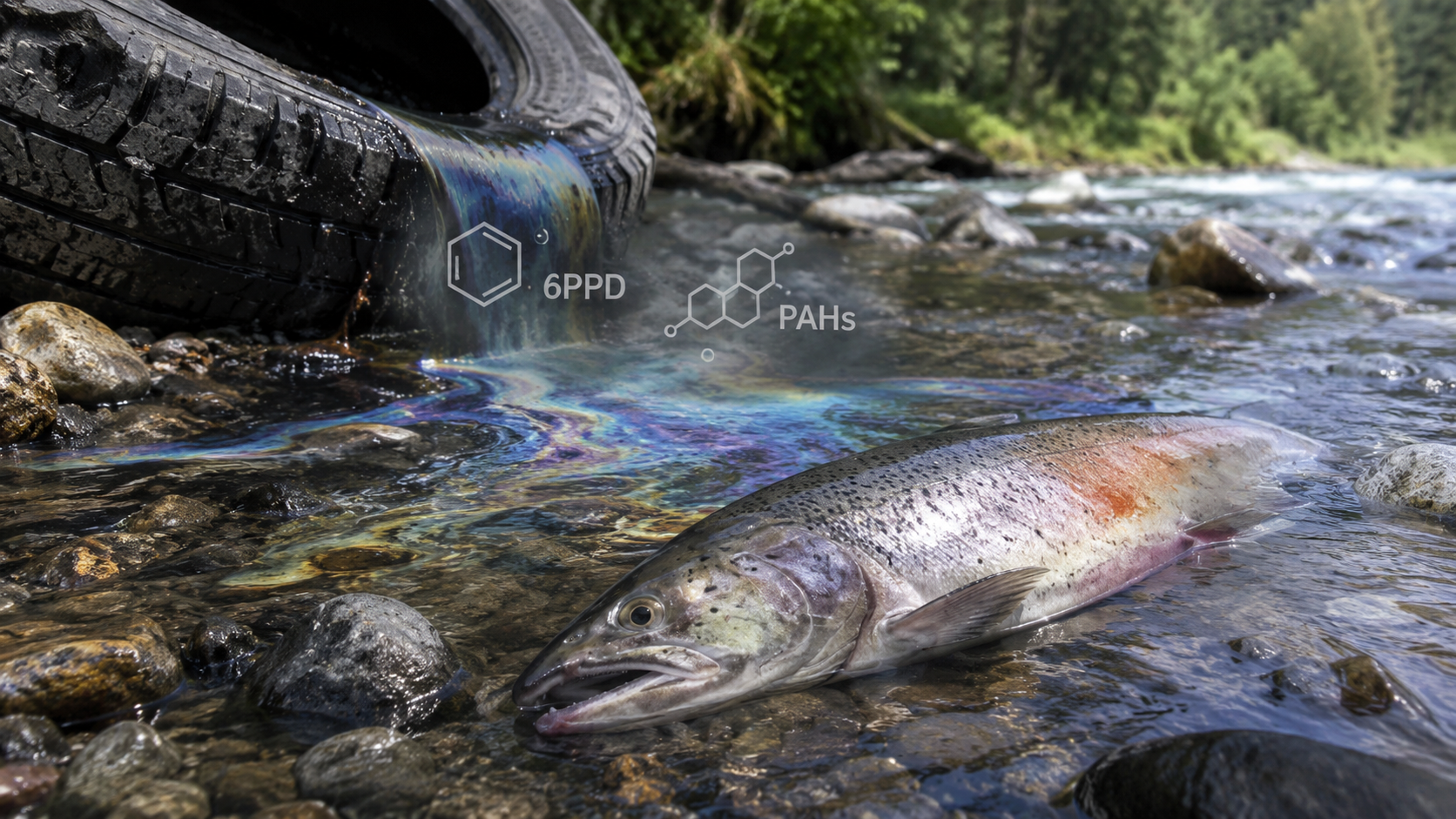
Welcome to Earth Reform. Today we look at a chemical found in almost every tire on the road. When it rains, it washes off the pavement and into streams, and it can kill salmon within hours. The same family of chemicals has also been found in human urine, blood and spinal fluid, and scientists are…
-
Where Mountains Once Stood: Coal Mining in the Appalachians
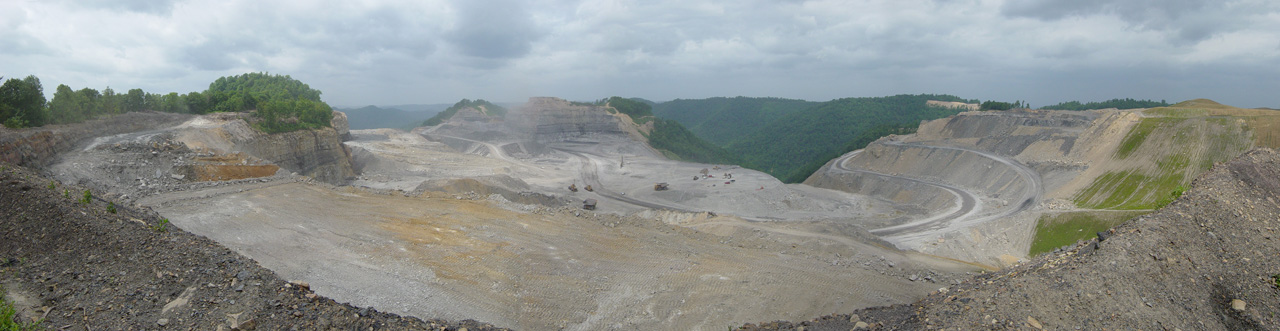
By KYLE CLENDINNING Published August 14, 2012 The Appalachian Region of the United States stands as one of the most scenic areas in North America. This 205,000 square mile region follows the Appalachian Mountains from southern New York to Northern Mississippi, including all of West Virginia and parts of Alabama, Georgia, Kentucky, Maryland, North Carolina,…
-
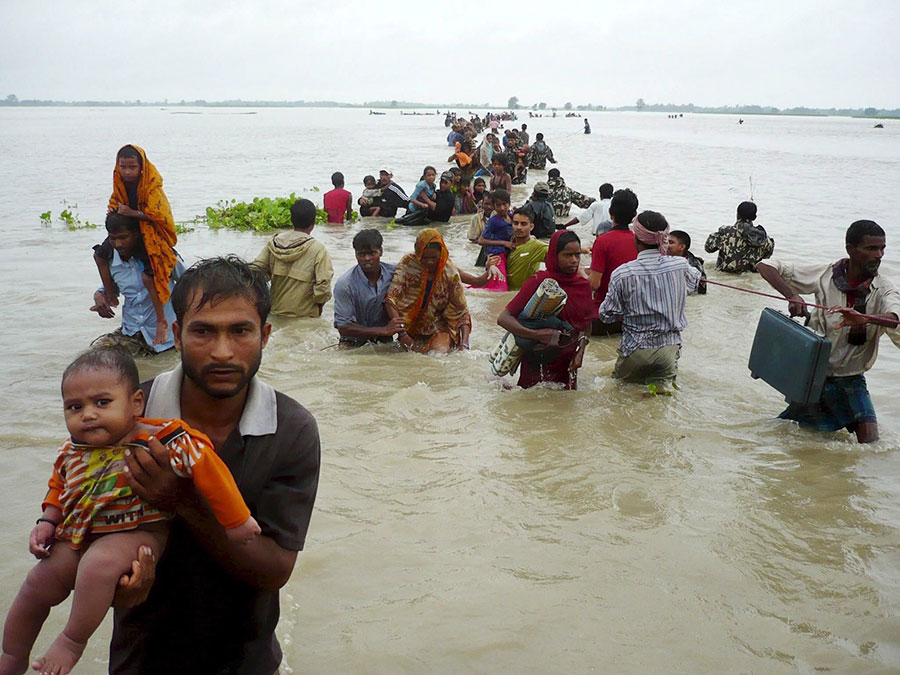
Mass Migration: The Untold Crisis of Climate Refugees
By ANAM SULTAN Published August 4, 2012 Climate change has been on the radar for years now (we have documentaries such as Al Gore’s “An Inconvenient Truth” to thank for that), yet there is a crucial element of this problem that remains largely ignored. Over the past few decades there has been a rapid increase…
-

Rational Sustainability
By HYDER OWAINATI Published July 19, 2012 Environmentalism as a platform to innovation Stalwart supporters of the contemporary environmental movement are not driven solely by apprehensions of impending disasters or apocalyptic fears. Rather, many are cognizant of the fact that the implementations of sustainable and ecologically conscious measures will not only help to edify our…
-

Lake Chad Desertification: A Symptom of Global Climate Change
By EVELYN HARFORD Published: July 4, 2012 A disturbing environmental trend, desertification is occurring globally. However one striking example of this phenomenon is the disappearance of Lake Chad. It is located between the borders of Cameroon, Chad, Niger, and Nigeria feeding large numbers of people, animals and plant life in the region. Lake Chad was…
-
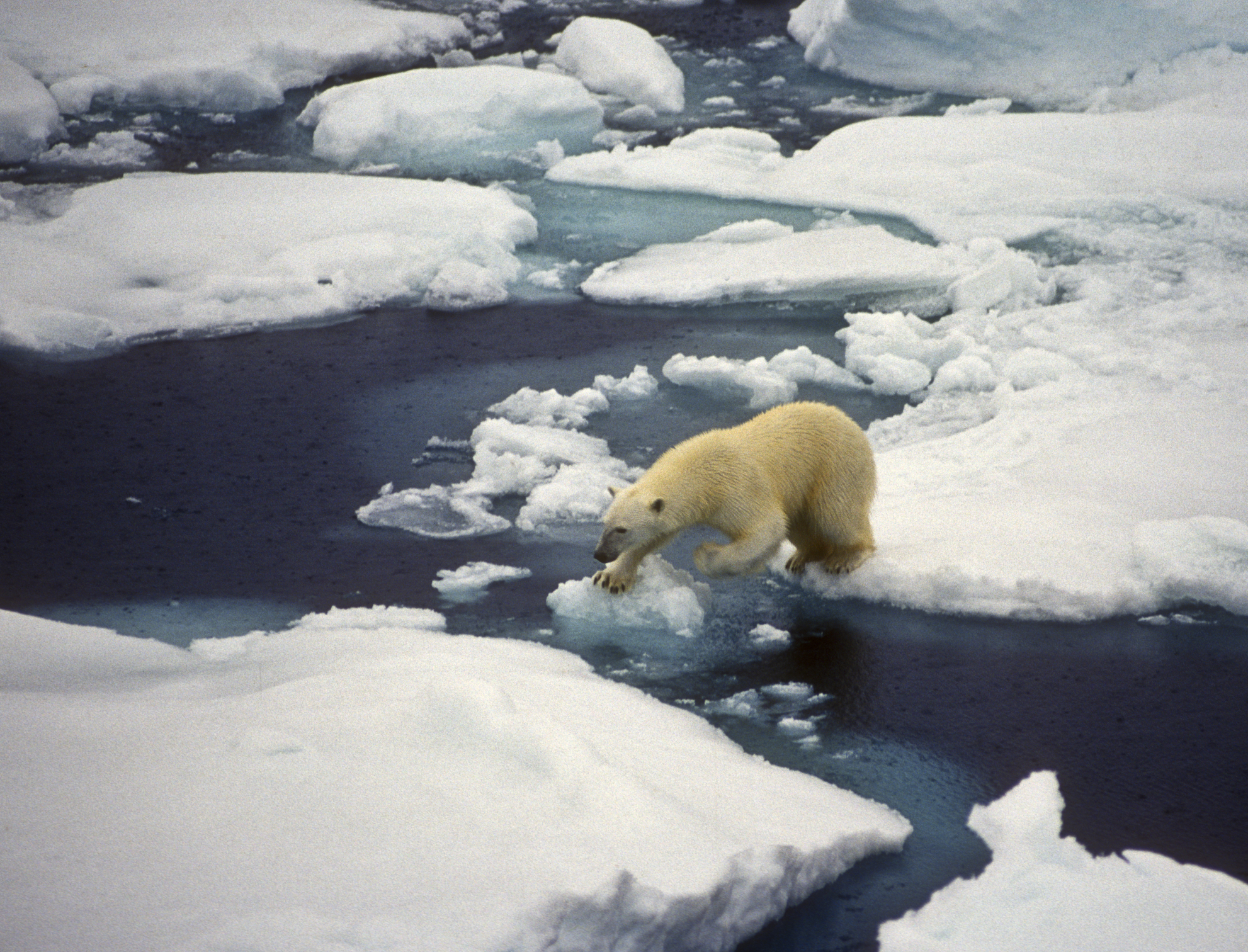
No Shame In Shell’s Game
By CHRISTINE EBADI Published May 30, 2012 Despite recent efforts to stop the oil tycoon Shell from pursuing their drilling plans in the Alaskan Arctic this year, a U.S. appeals court ruled the go-ahead. With over a million signatures delivered to the White House this month by various Environmental groups, pleading Obama to stop Shell’s…